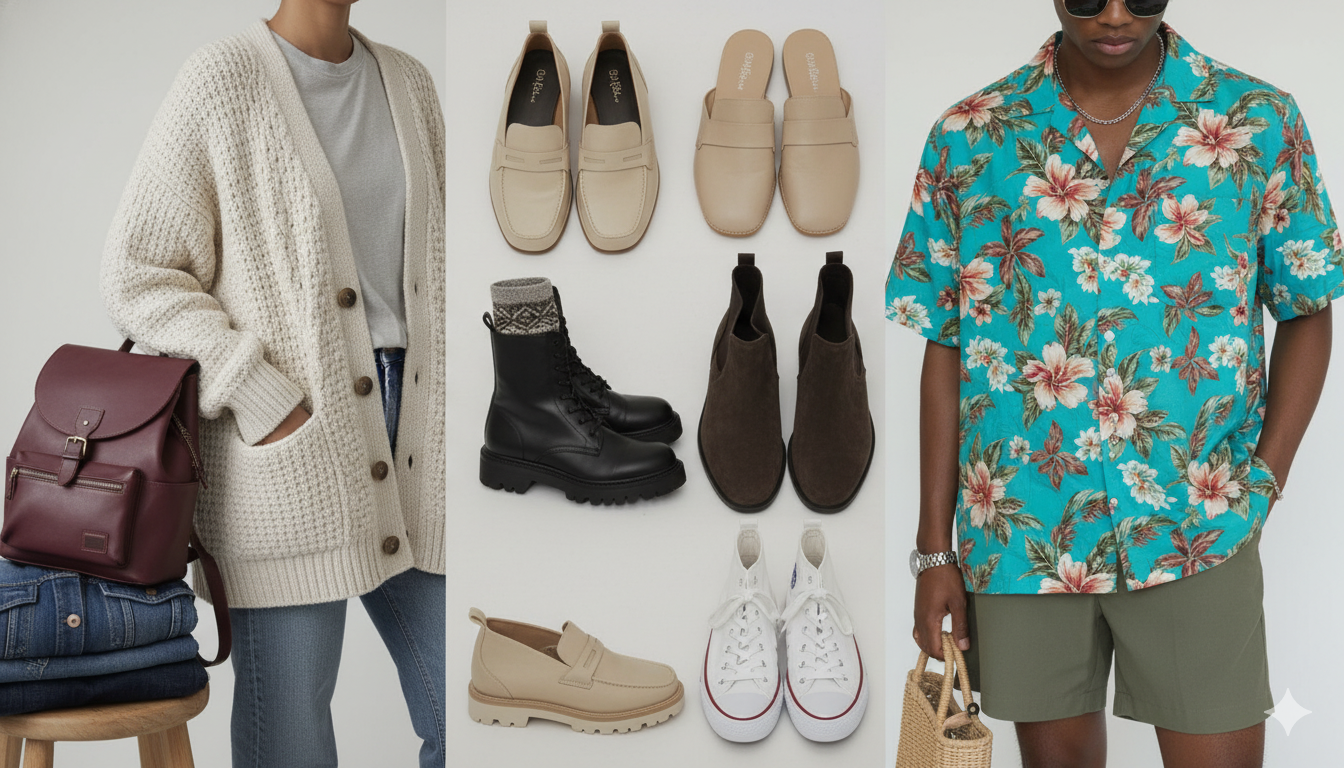
Introduction \n \nIn 2025 many Americans are rethinking their spending on fashion. Smart consumers are pulling away from big labeled items and spending on accessible luxury with value. This explains why luxury dupe brands are in vogue. They offer and meet value segement of the market and middle-class consumers. \nUnderstanding the Appeal \n \nWhat propels the success of these brands? 3 things: \nClear value proposition: They explain how premium priced items are repackaged to offer a lower price. Quince and Italic are examples of brands that at high prices source their products from the same factories as reputed brands. They promise the same quality but at a lower price. \nThe Business of Fashion With Fashion \n \n+1 \nDirect-to-consumer model: They avoid the traditional retail markup and spend on advertising and online access, allowing them to lower their price to consumers.
Transparent Messaging1 These brands feel the impact of inflation and openly advertise, same factory, better price. Business of Fashion +1
Serving WhoThese brands do not serve the ultra-wealthy. Their Business Model targets the US Middle Class. Americans value good style, quality, and credibility at any price. But, there is a price limit. Younger shoppers are the most data-supported audience. Especially Gen-Z and Millennials, they are far more inclined to buy a \”dupe\” than a traditional luxury item
E Marketer +1
Growing Market The effective outcome is an expanding market and the fulfillment of a luxury dupe brand need.
ExecutionHere’s how these brands do it the best. Intelligent selection of products They assess the trending luxury items and copy the silhouette and quality of the most popular ones. They even scrape luxury brand websites to find the most and least viewed items.
Business of Fashion
narrowed outreach they do not rely on performance story telling. They focus on social performance marketing, social influencers, and clear value messages. Get the look for less.
Business of Fashion +1
Good quality, and clear vision They may not heritage the luxury houses of the industry. But they clearly focus on functional quality, plain and simple. Ending up saving cost. This kind of honesty appeals to the more practical.
Retention strategies
Several brands expand beyond one-time purchases by introducing memberships and offering other product categories (like home goods, apparel, and accessories); they build loyalty by offering benefits to repeat customers.
The Business of Fashion
Implications for Traditional Luxury Brands\
For heritage luxury brands, this trend comes as a wake-up call. They must:
Justify how their price premium is achieved (craftsmanship, heritage, exclusivity
Engage value-driven shoppers who might be tempted by dupes
Consider changing distribution or pricing for aspirational tiers
In summary, luxury houses must face the reality that a sizable part of the U.S. customer base now balances value and quality over a mere label
Why U.S. Consumers Should Care
If you are a U.S. shopper:
You get the look of near-luxury at a much lower price point and with minimal quality tradeoffs.
You support brands that align with your budget and styling needs.
You pay attention to the competition: as these brands expand, they determine what is “high-end” or what is “affordable.”
Conclusion
The expansion of luxury replicate brands is not a gimmick, but a strategic answer to the changing expectations of the American consumer. By providing premium style alongside clear pricing, these brands are finding a middle point between fast fashion and true luxury. This shift is a relief to shoppers who pride themselves on the appearance, quality, and pricing of the products they purchase.